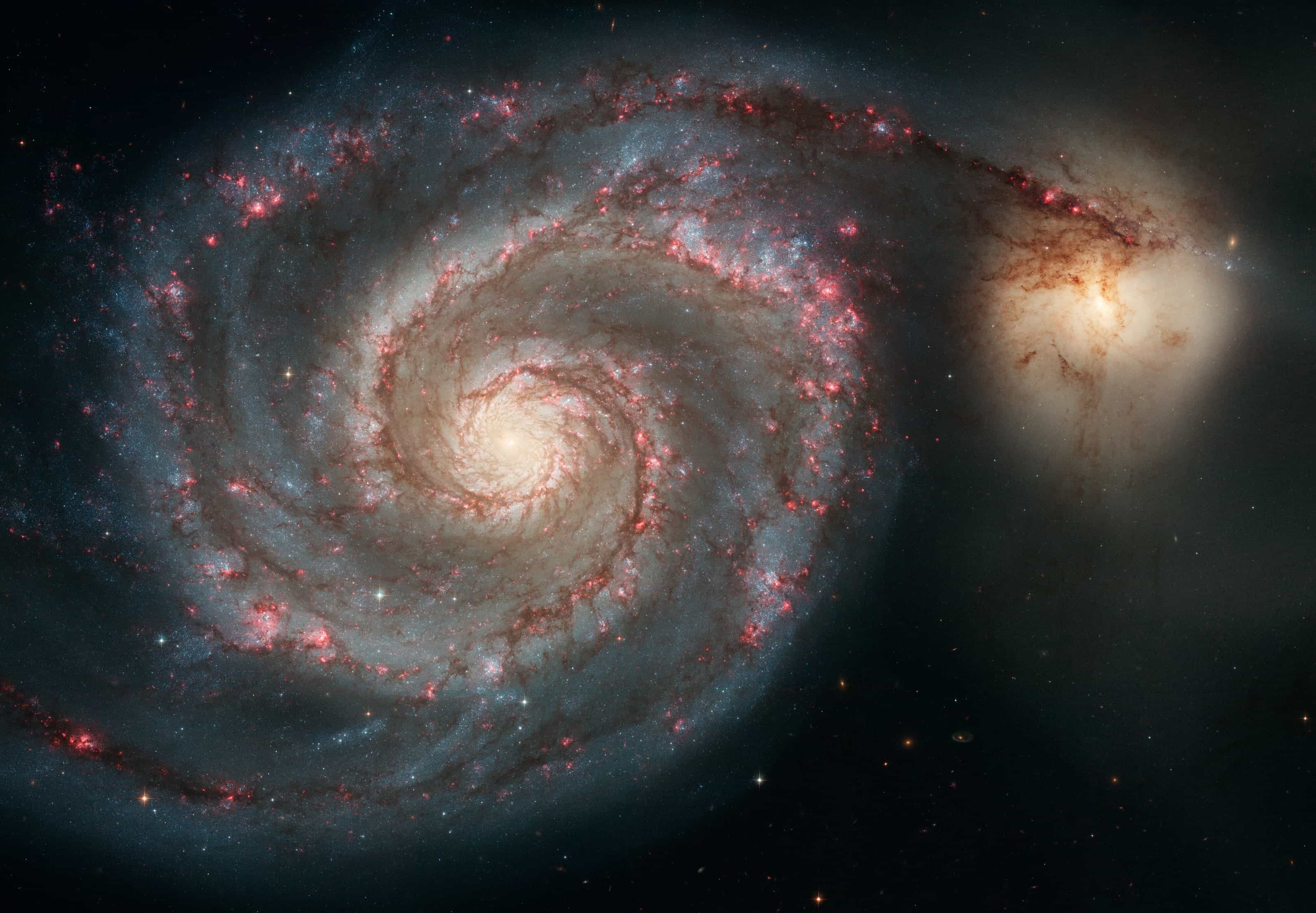
Out of this whirl: The Whirlpool Galaxy (M51) and companion galaxy · Image credit: NASA, ESA, S. Beckwith (STScI), and The Hubble Heritage Team (STScI/AURA) · CC BY 4.0
Archive · 11 articles
All articles
Long-form explanations of real physics research. Each one is sourced line by line and tells you how sure science is.
11 articles
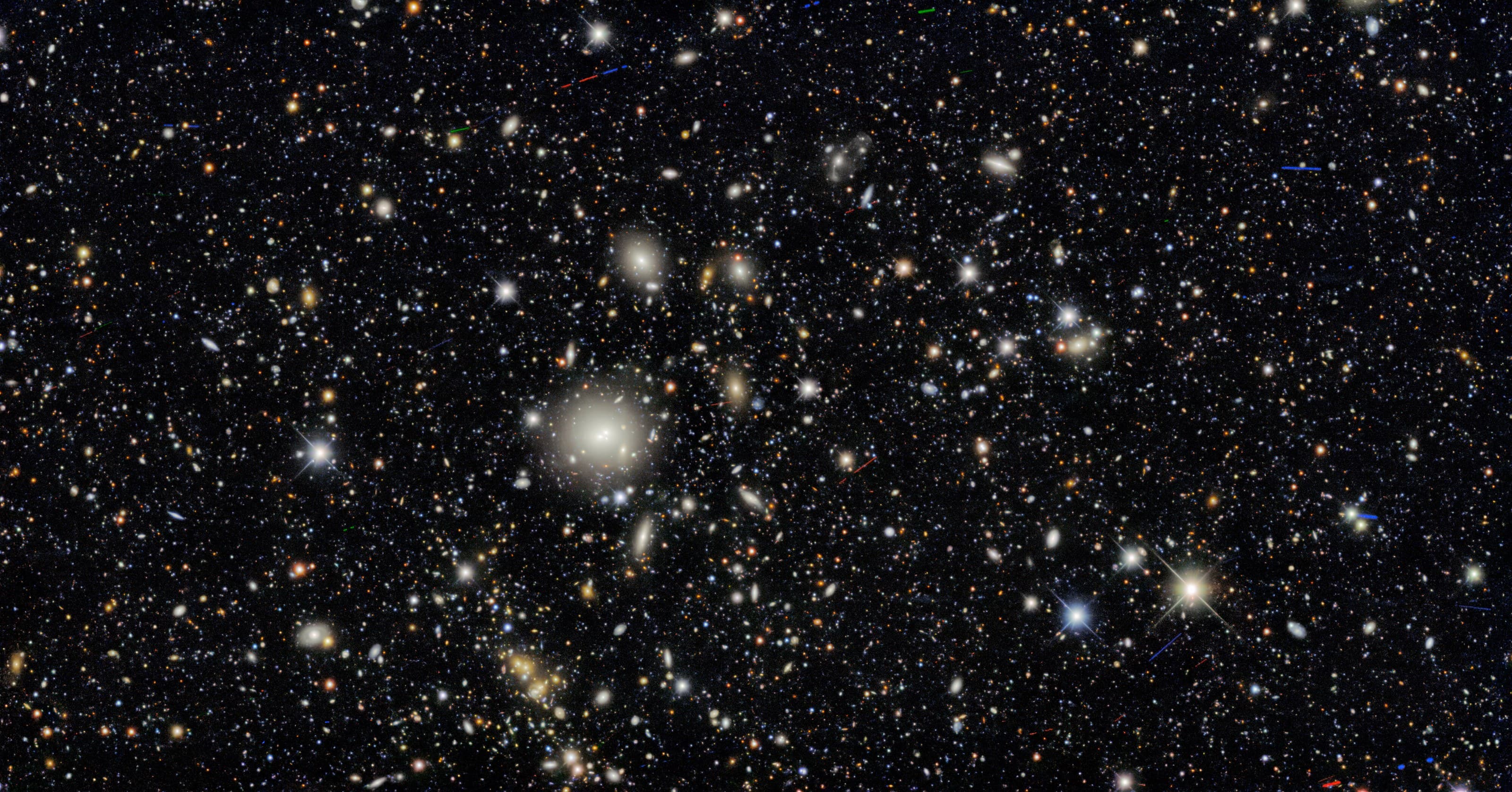
If the universe is infinite, is there another you?
If space goes on forever, a simple counting argument says copies of you are out there. The logic is tidy, but it rests on assumptions that can’t be checked beyond what we can see.
Part 2 of the series “Is the universe infinite?”
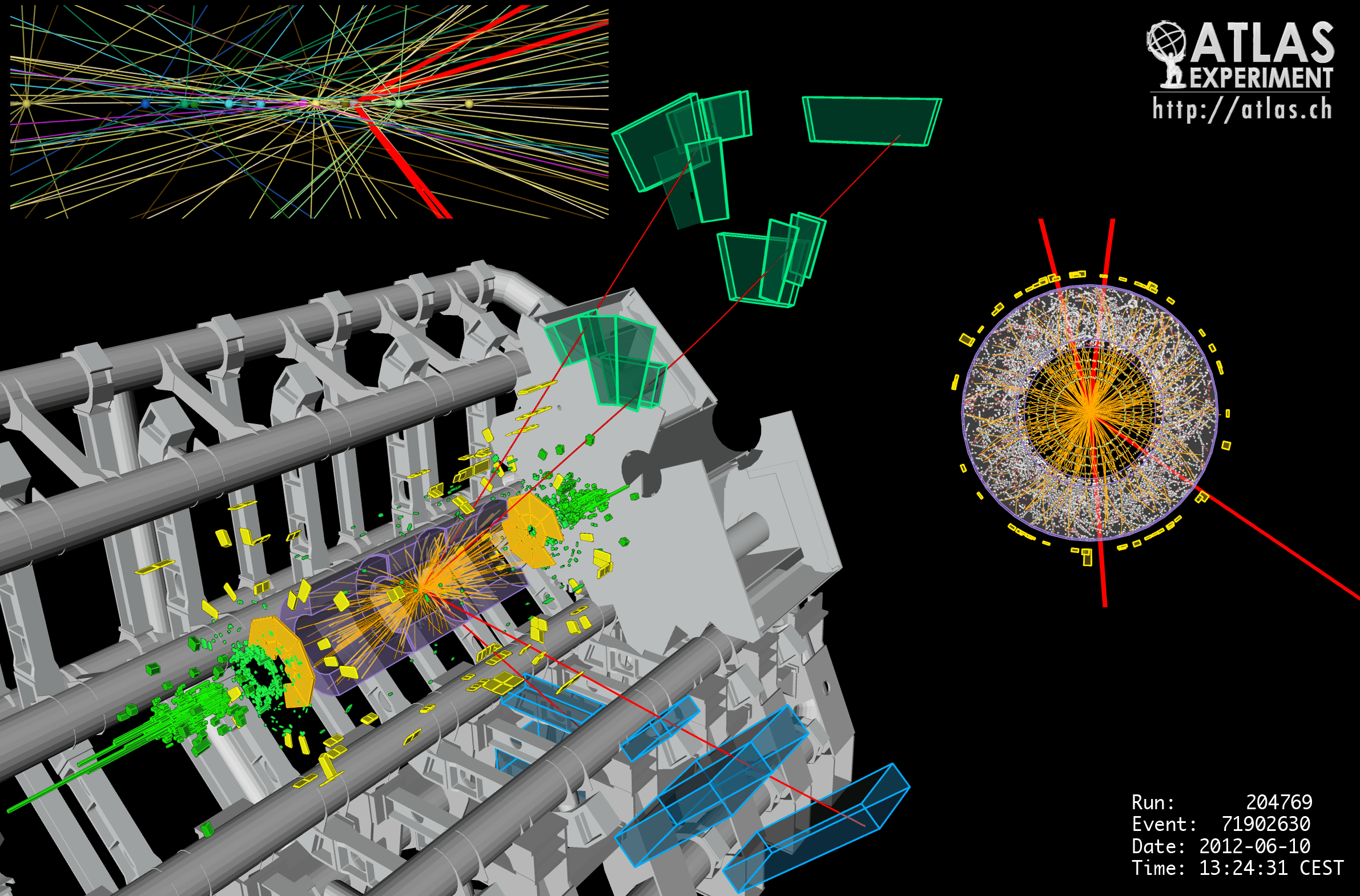
What “five sigma” really means — and what it doesn’t
Particle physicists reserve “discovery” for five sigma: a bump chance alone would make about once in 3.5 million tries. What that measures, why it isn’t “99.99997% sure,” and how five-sigma results still went wrong.
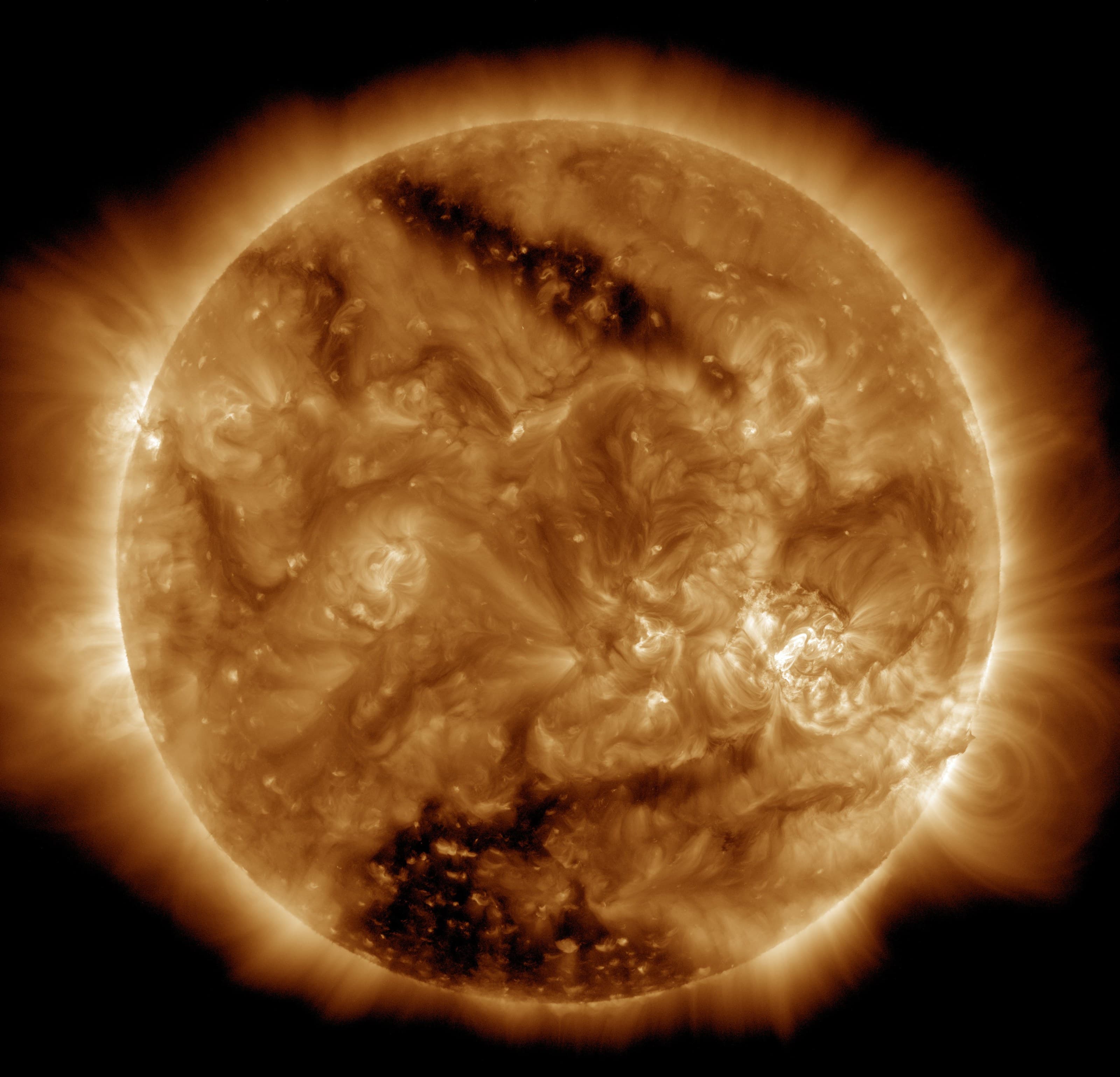
Ghost particles: the neutrinos passing through you right now
Every second, tens of billions of neutrinos from the Sun cross each square centimeter of you, by day and by night. Here is how we know, and why it took a thirty-year puzzle to understand them.
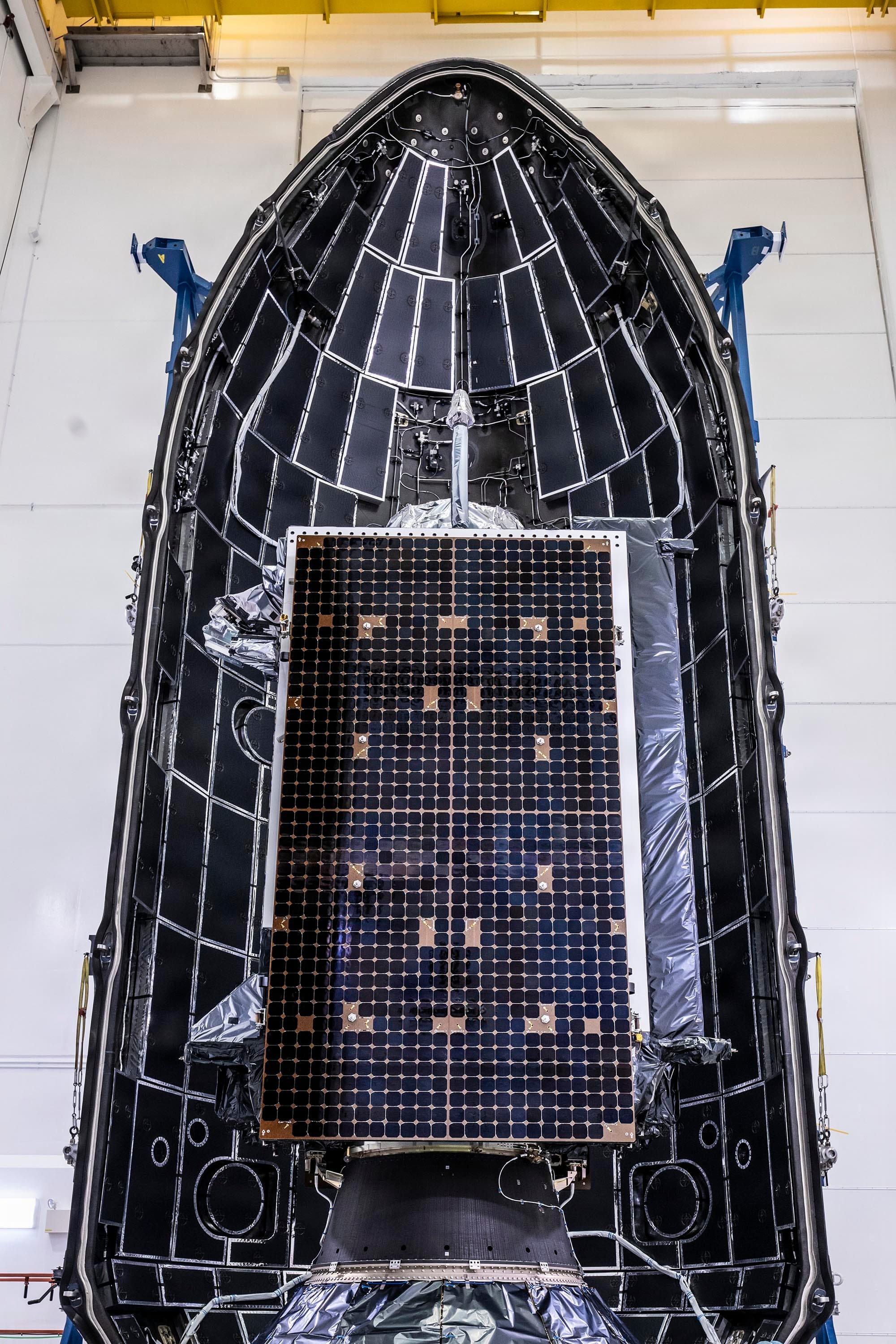
Time runs faster above your head: relativity in GPS
Clocks on GPS satellites would gain about 38.6 microseconds a day on clocks on the ground. Where that number comes from, how engineers deal with it, and what would really go wrong if they didn’t.
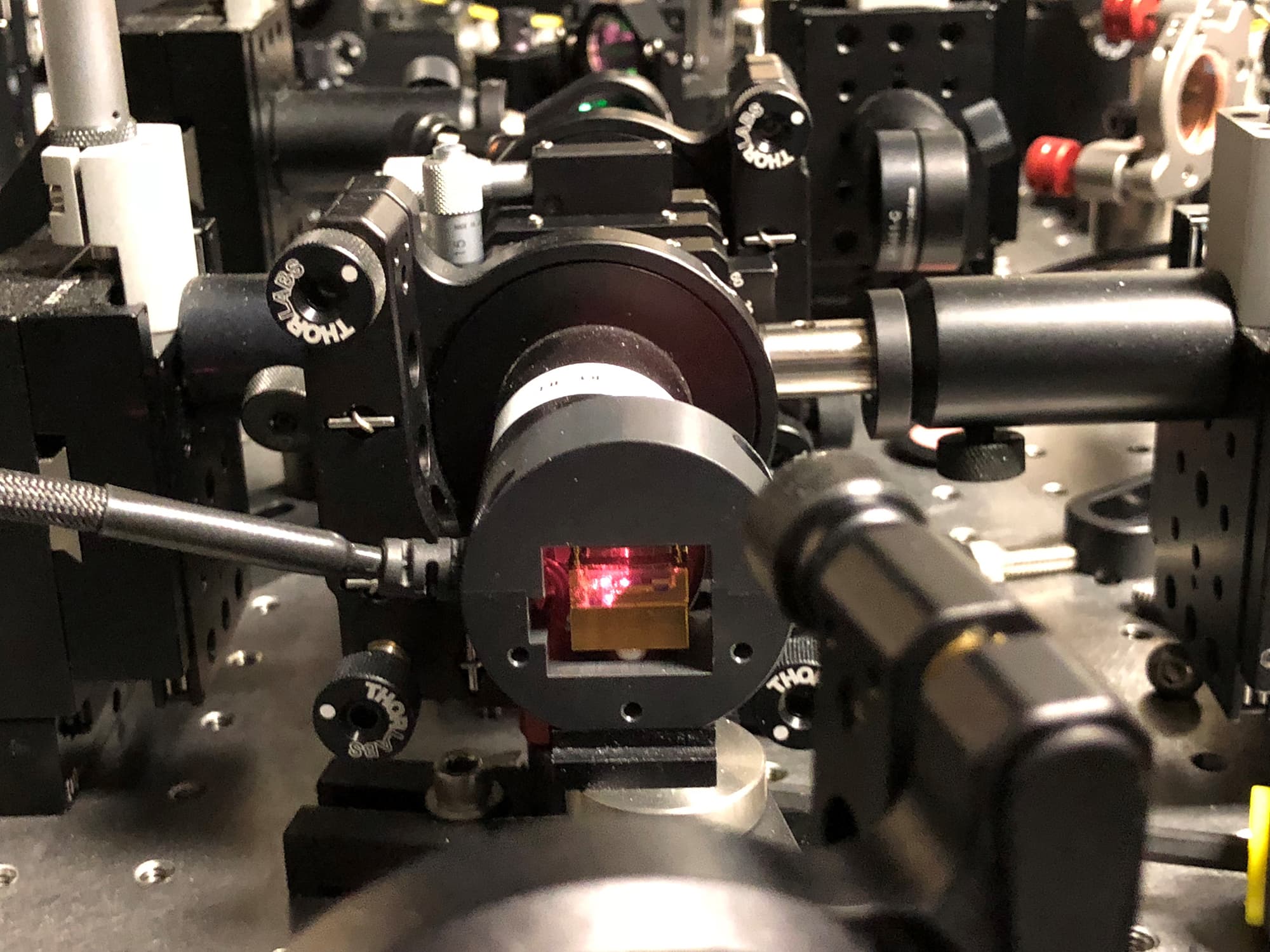
How entanglement is actually made
Shine a violet laser into the right crystal and, very rarely, one photon splits into two; with the right geometry, their polarizations are entangled. Here is the physics, from a lab bench to a satellite.
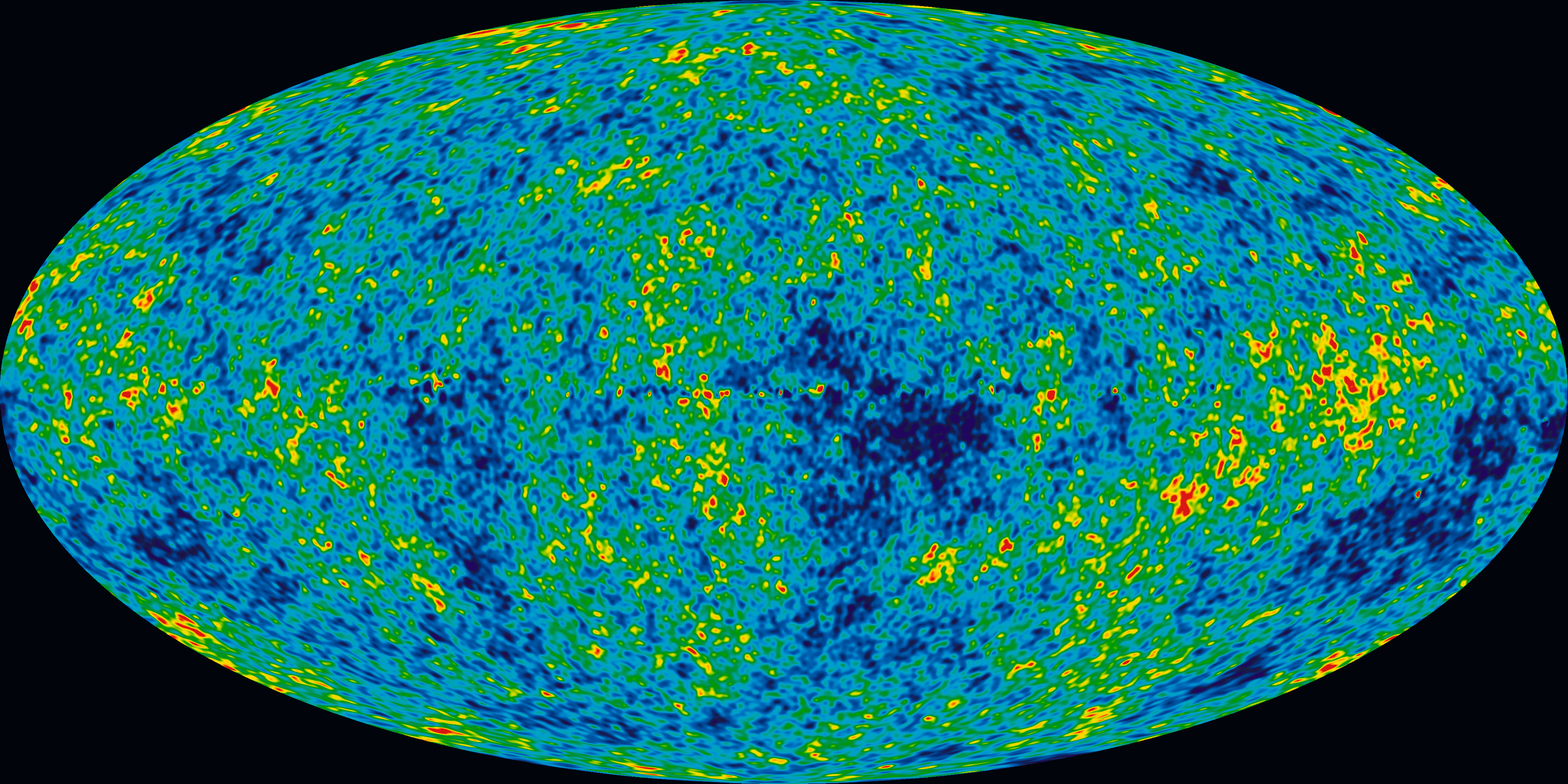
Is the universe infinite?
Space looks almost perfectly flat. That still doesn’t tell us whether it goes on forever, and we may never find out.
Part 1 of the series “Is the universe infinite?”

One wrong unit: how we navigate to Mars, and how we once lost a spacecraft
Reaching Mars means hitting a moving target after months of falling around the Sun. In 1999 a file of thruster data in the wrong unit, and a chain of missed chances to notice it, put a spacecraft 170 km too low.

The neutrino mass mystery: a floor, a ceiling and three suspects
Experiments on Earth say neutrinos must weigh at least a certain amount. The newest map of the universe, combined with its oldest light, allows barely that much, or less. Nobody needs to be lying, but some assumption has to give.
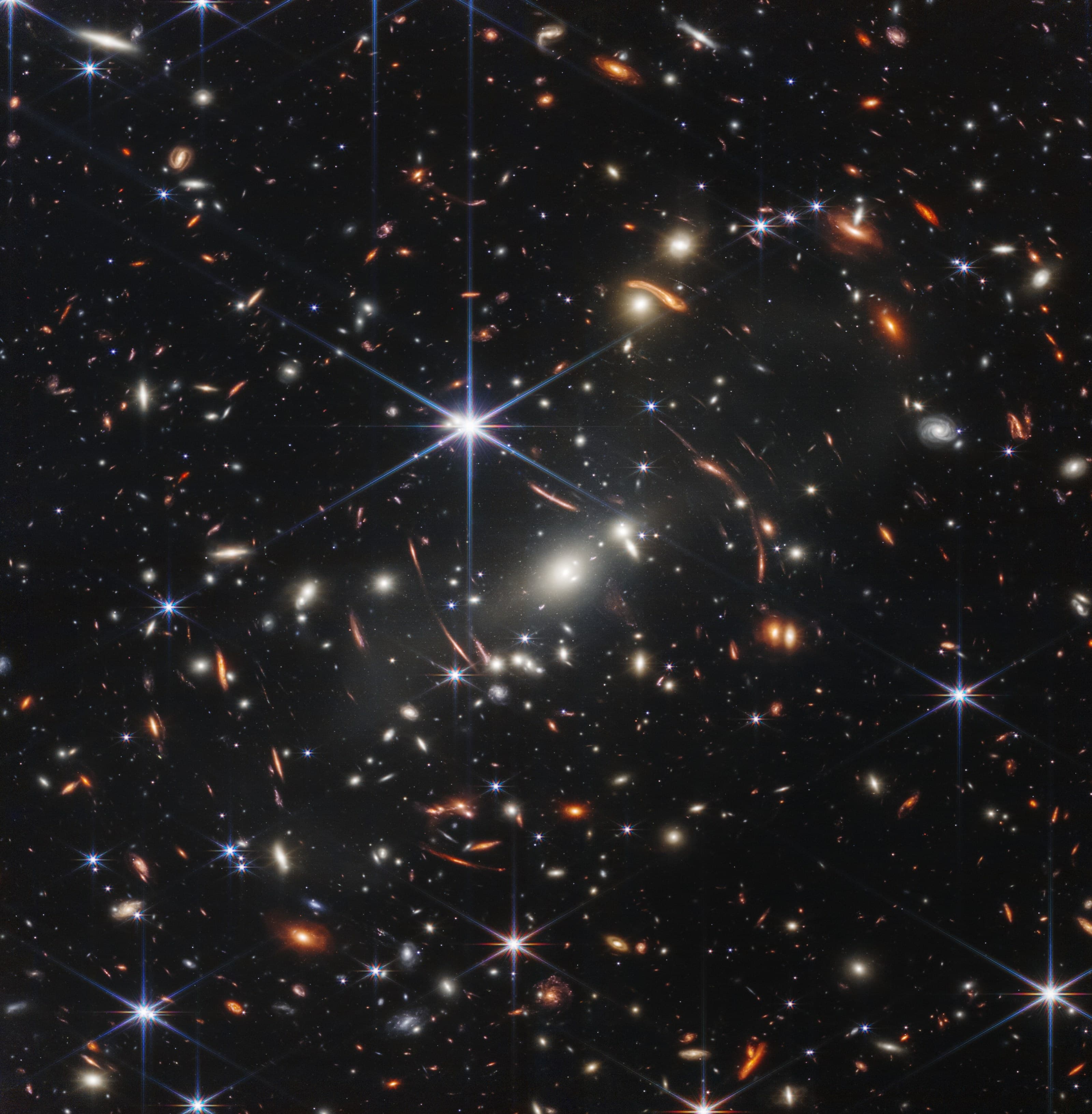
Why nothing can go faster than light
The cosmic speed limit isn’t really about light. It’s built into how space and time fit together, and breaking it would let an answer arrive before its question.
Quantum entanglement: what it is (and isn’t)
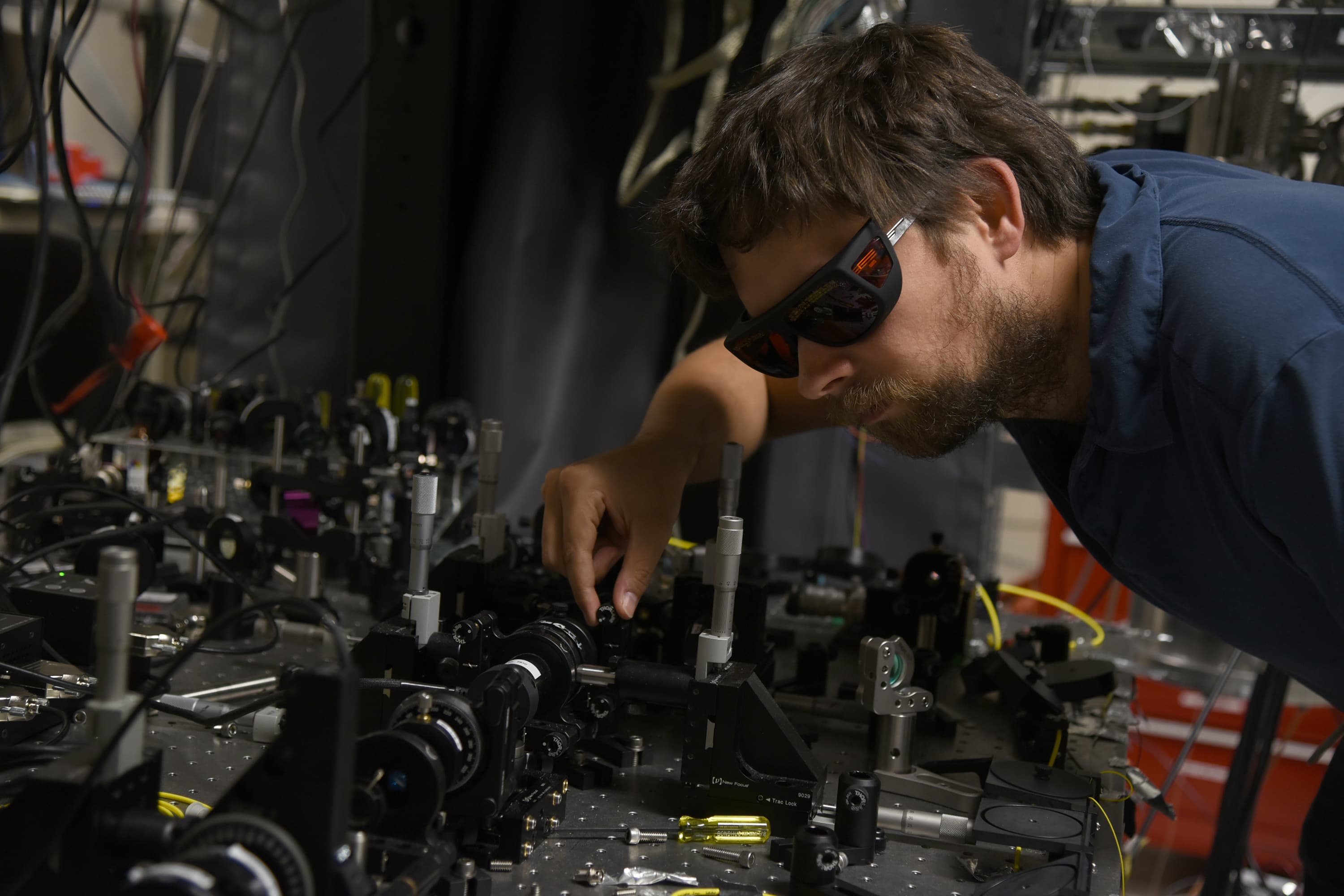
Distant particles give results that no instructions they carry can explain, unless something passes between them or the experiments are rigged. Fifty years of tests agree. None of it lets you send a message faster than light.
The quantum eraser: single photons, a double slit, and what “erasing” really means
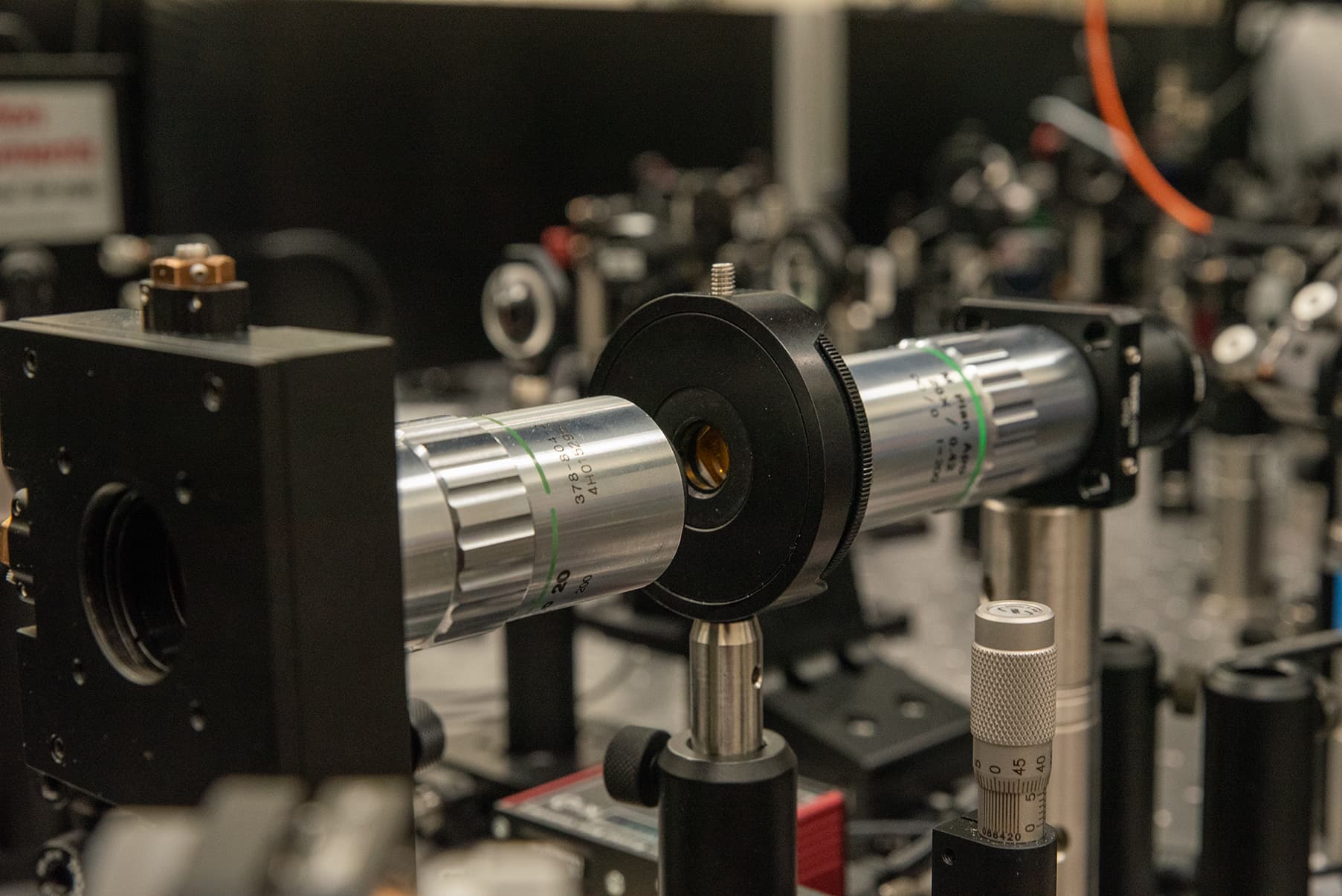
Tag which slit each photon took and the stripes vanish. Erase the tag and they come back, but only in half the light. That half is the whole trick, and nothing travels back in time.