Start here
New here? Read these in order.
Five Sigma explains real physics research without distorting it. Here is a path from the basics to the frontier.
How to read Five Sigma
- The main text is for everyone. Every technical word is explained where it first appears — tap a dotted word for its definition.
- “For physicists” panels hold the equations and the fine print. Skip them freely; the story is complete without them.
- “How sure are we?” labels each main claim — Established, Strong evidence, Hint / tension, or Speculative. What the labels mean.
- Numbers in brackets like [1] are sources. Tap one to see it; every one links to the paper or official page.
Start with the idea this site is named after: how physicists decide something is real.
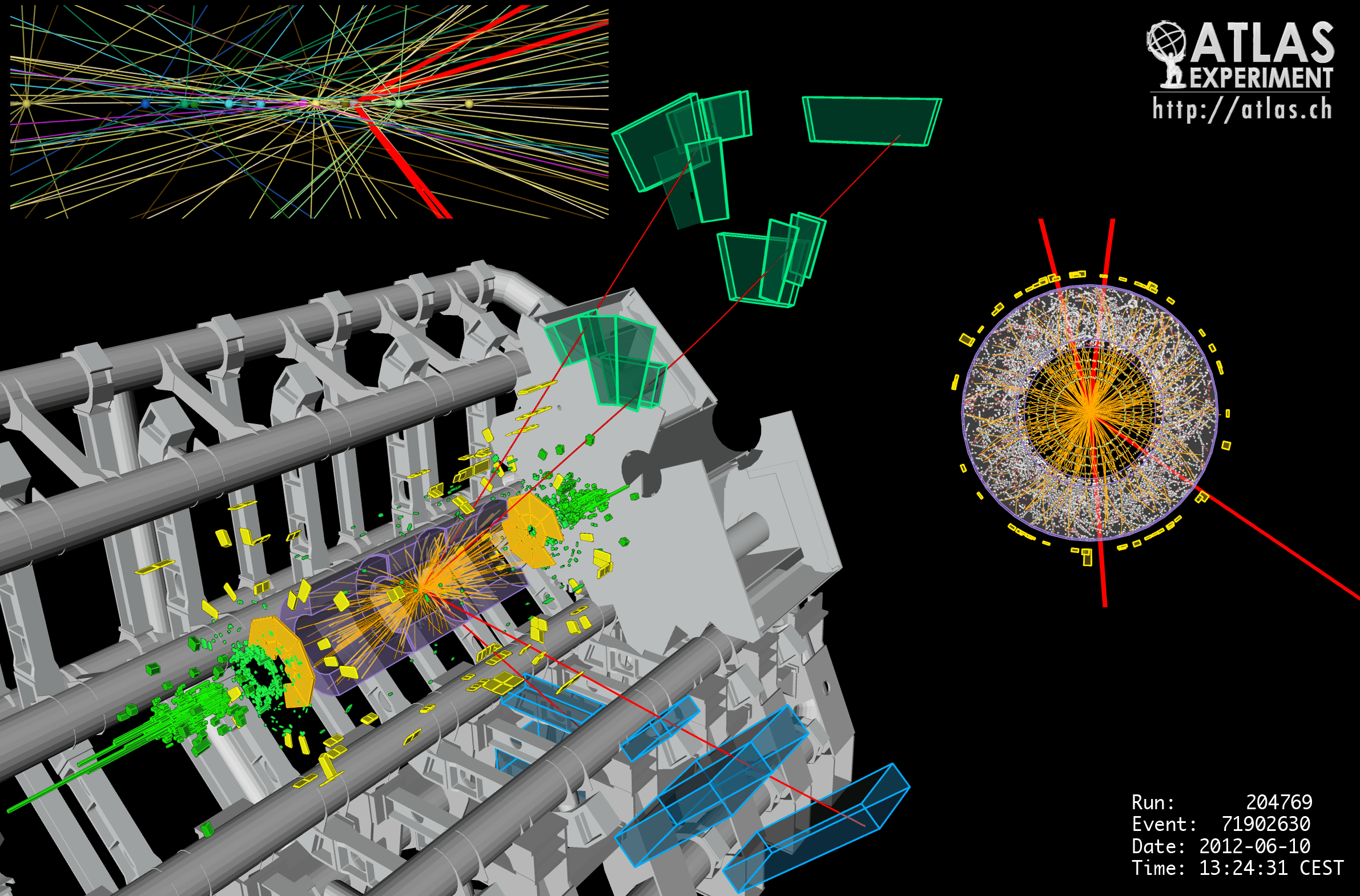
What “five sigma” really means — and what it doesn’t
Particle physicists reserve “discovery” for five sigma: a bump chance alone would make about once in 3.5 million tries. What that measures, why it isn’t “99.99997% sure,” and how five-sigma results still went wrong.
Then meet the trillions of neutrinos passing through you as you read.
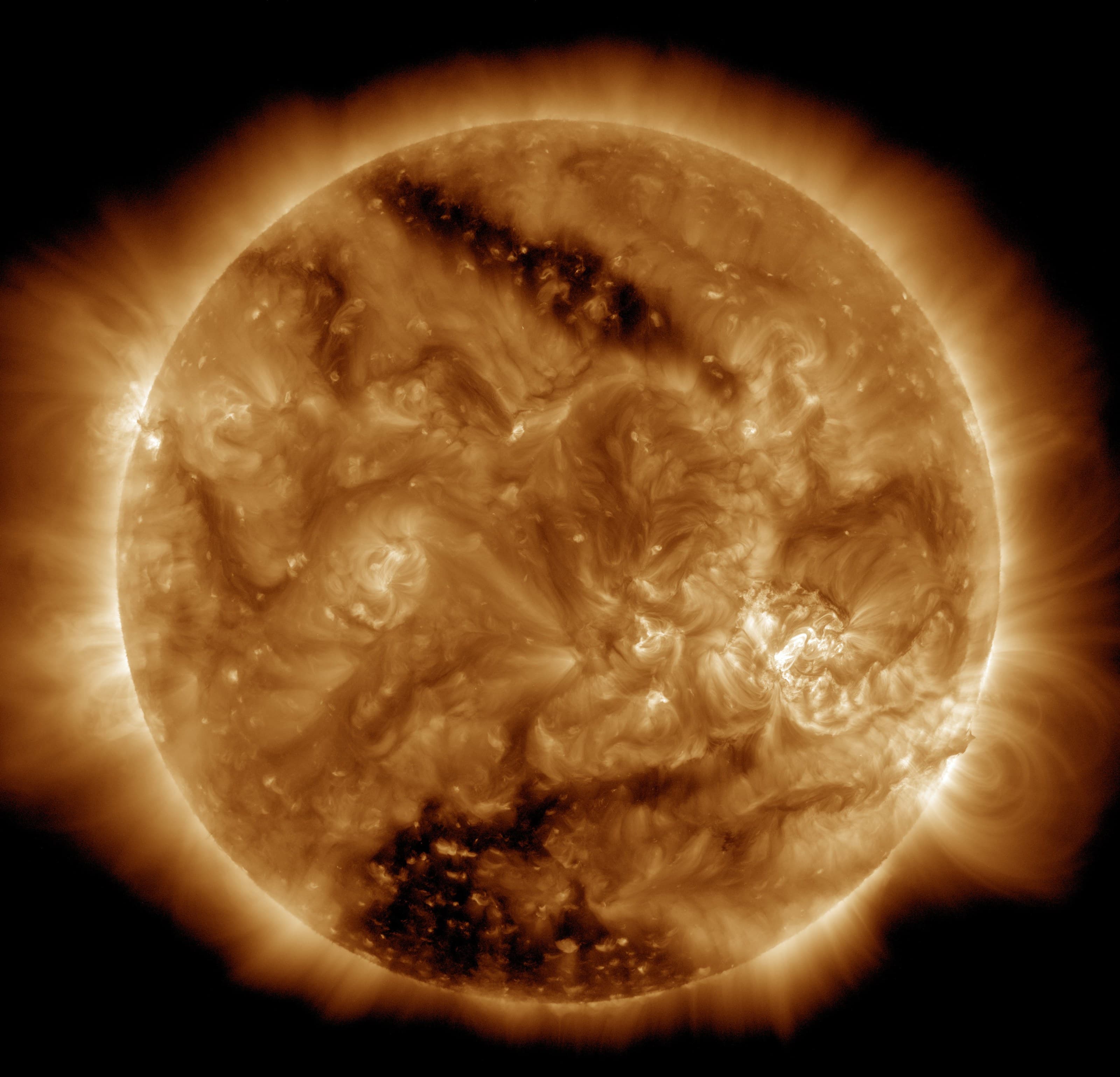
Ghost particles: the neutrinos passing through you right now
Every second, tens of billions of neutrinos from the Sun cross each square centimeter of you, by day and by night. Here is how we know, and why it took a thirty-year puzzle to understand them.
Then the strangest well-tested fact in physics — and what it doesn’t let you do.
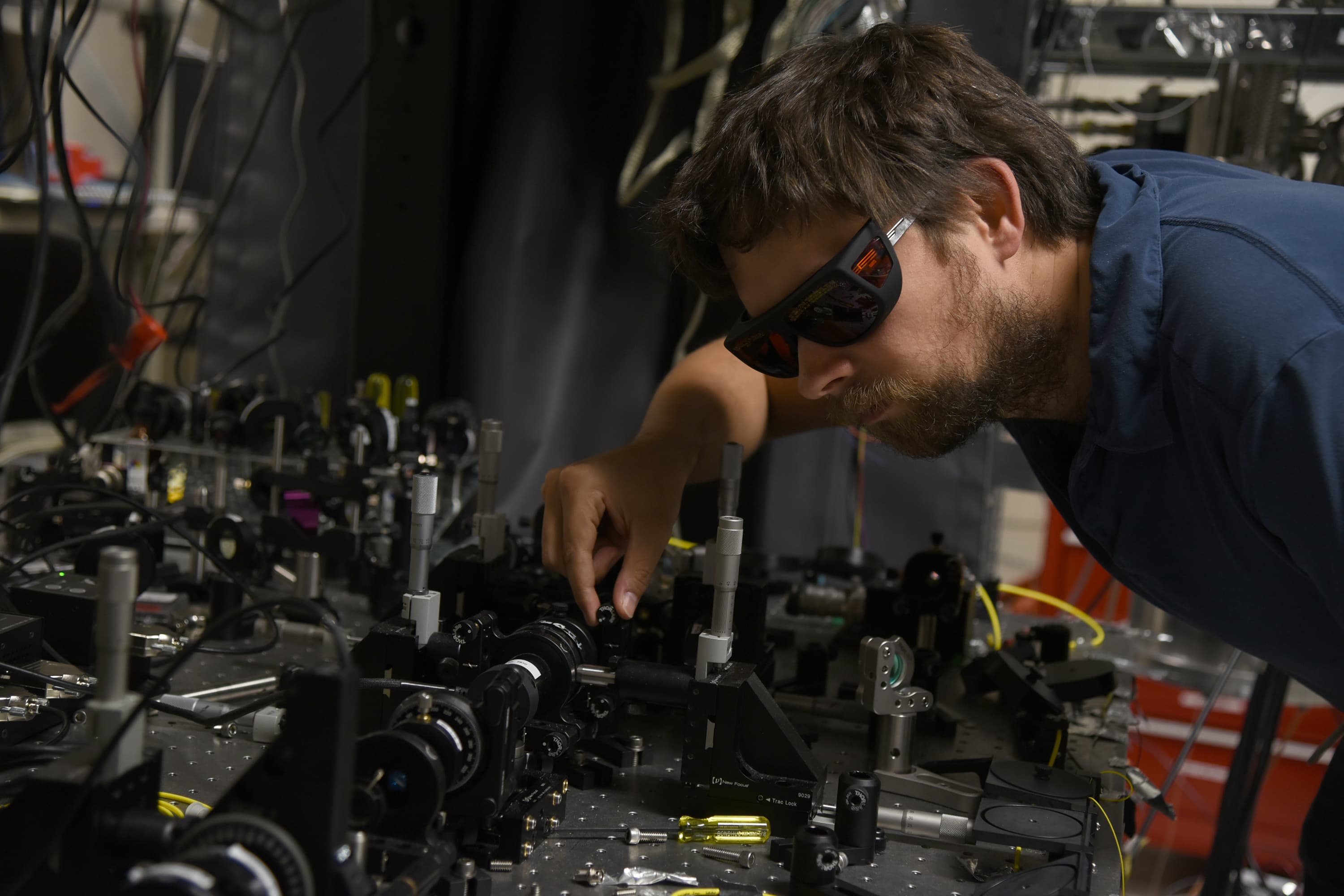
Quantum entanglement: what it is (and isn’t)
Distant particles give results that no instructions they carry can explain, unless something passes between them or the experiments are rigged. Fifty years of tests agree. None of it lets you send a message faster than light.
Then relativity at work in your pocket.
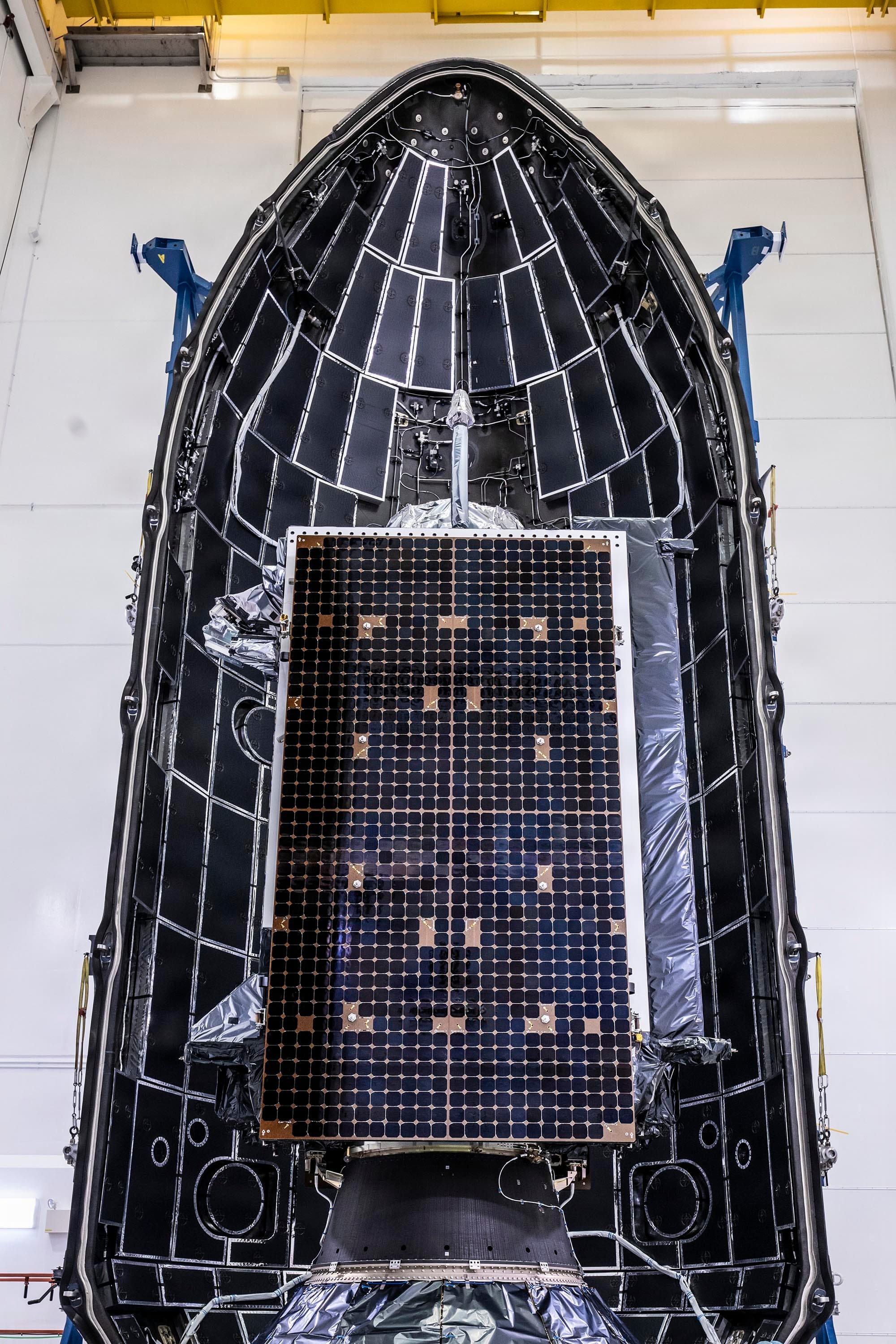
Time runs faster above your head: relativity in GPS
Clocks on GPS satellites would gain about 38.6 microseconds a day on clocks on the ground. Where that number comes from, how engineers deal with it, and what would really go wrong if they didn’t.
Finally, a live puzzle at the frontier, where the evidence is still only a hint.
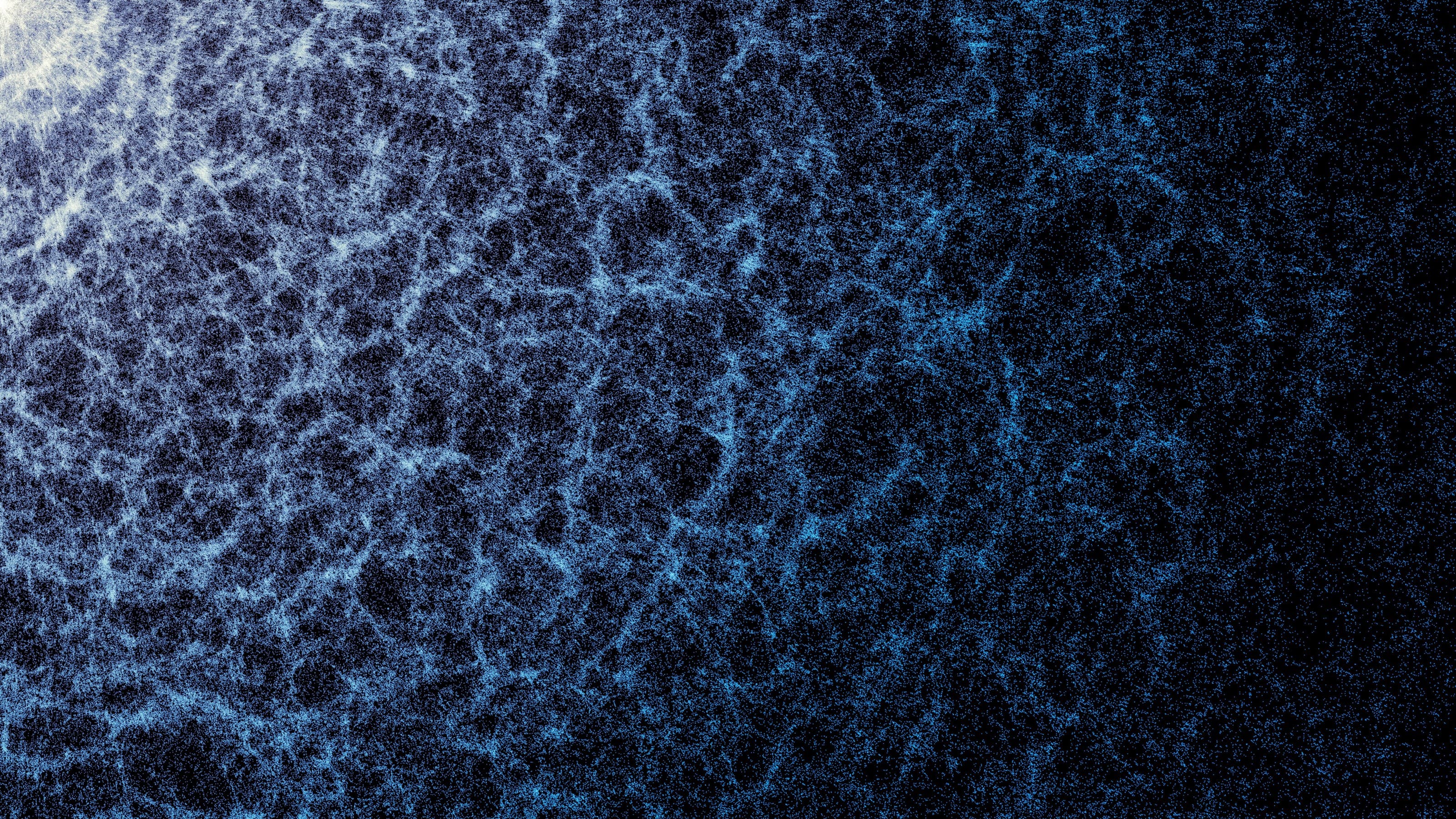
The neutrino mass mystery: a floor, a ceiling and three suspects
Experiments on Earth say neutrinos must weigh at least a certain amount. The newest map of the universe, combined with its oldest light, allows barely that much, or less. Nobody needs to be lying, but some assumption has to give.