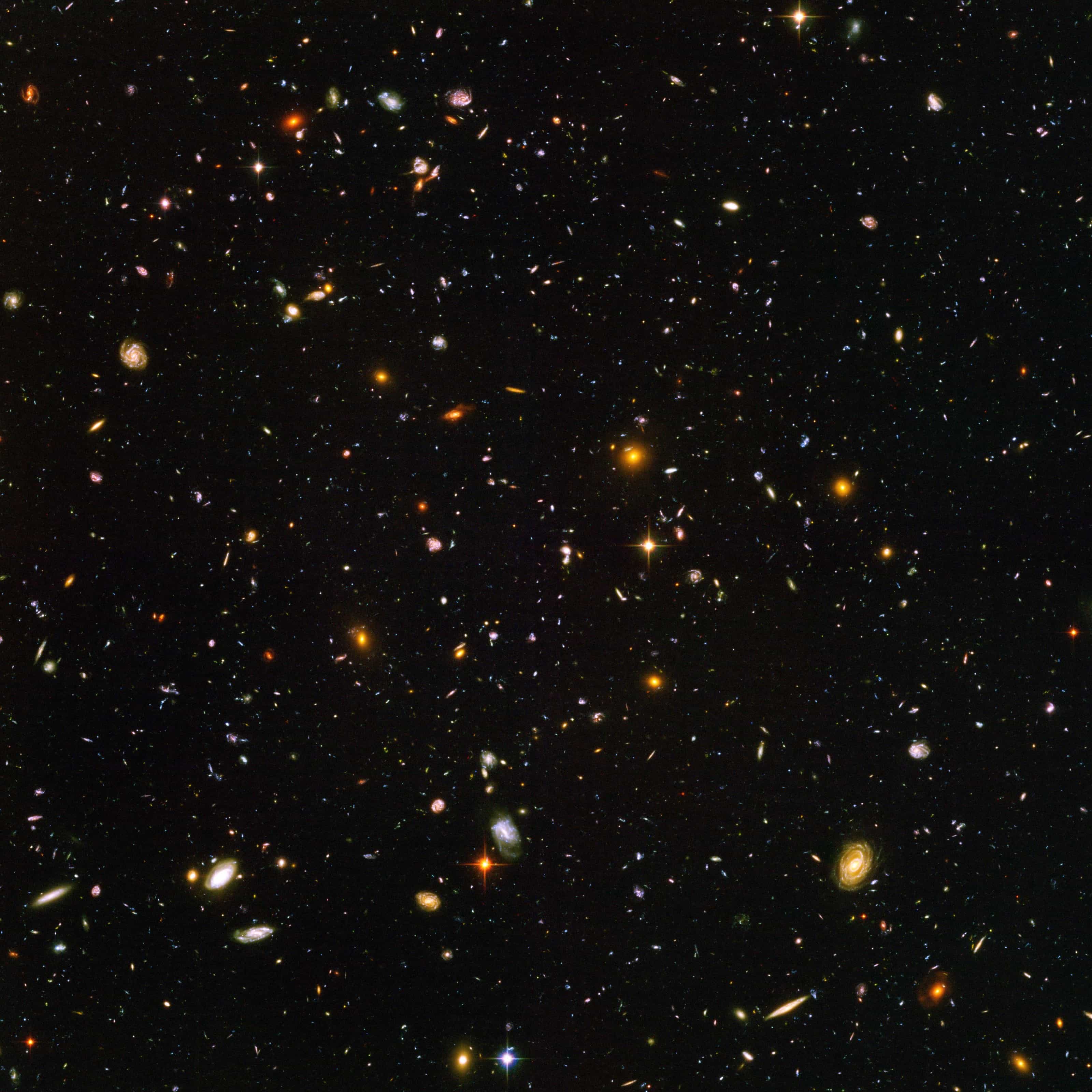
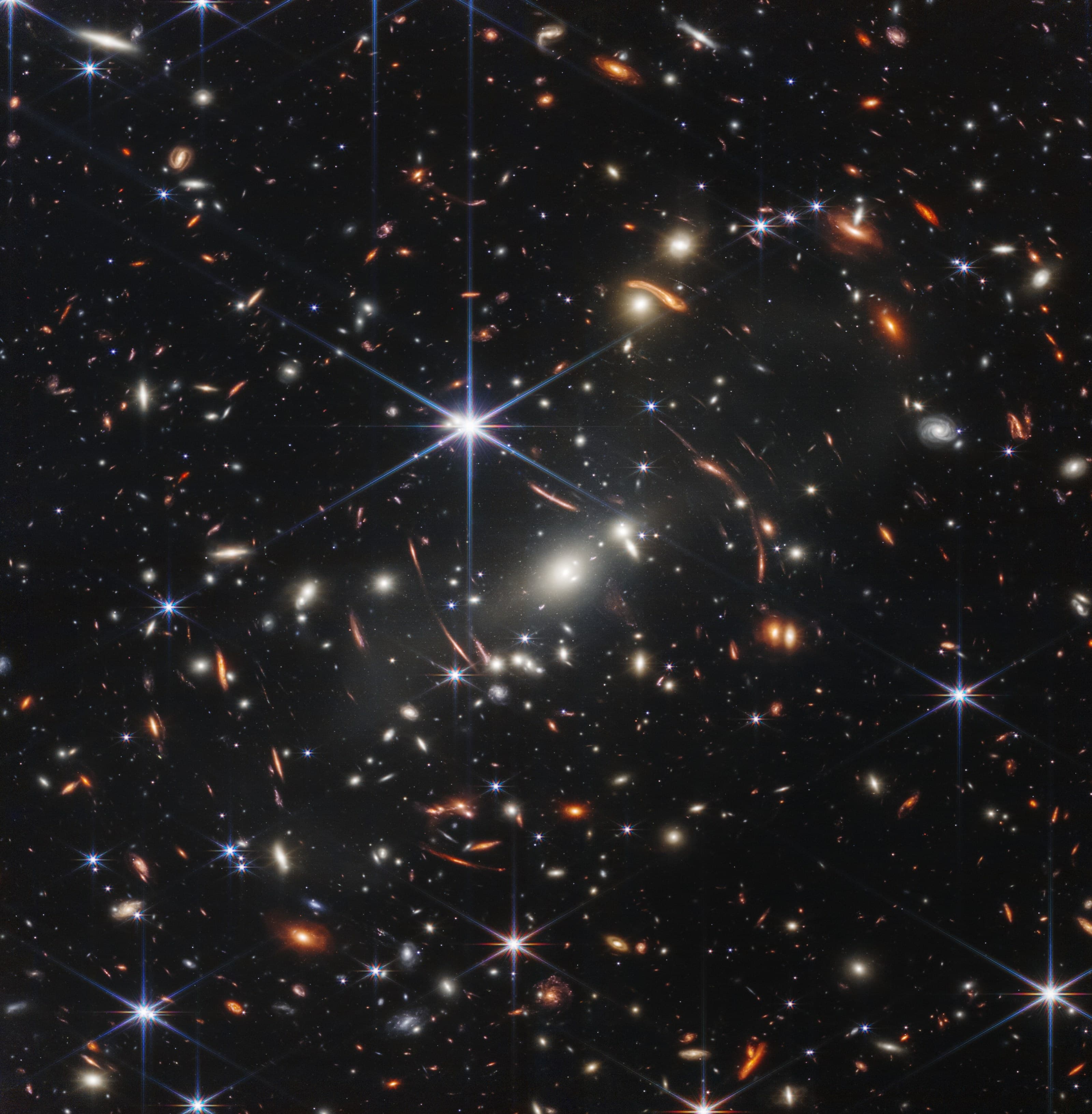
Hubble sees galaxies galore · Image credit: NASA, ESA, and S. Beckwith (STScI) and the HUDF Team · CC BY 4.0
Topic
Cosmology
The universe as a whole — how big, how old, and what shape.
Cosmology asks questions that once belonged to philosophy: Does space go on forever? What is the universe made of? How did it begin? Today these questions have measurements attached, many of them read from the faint afterglow of the early universe.
Here we separate what is measured from what is inferred, and what is inferred from what is speculation. A two-part series asks whether the universe is infinite, and what would follow if it were.
Suggested reading order
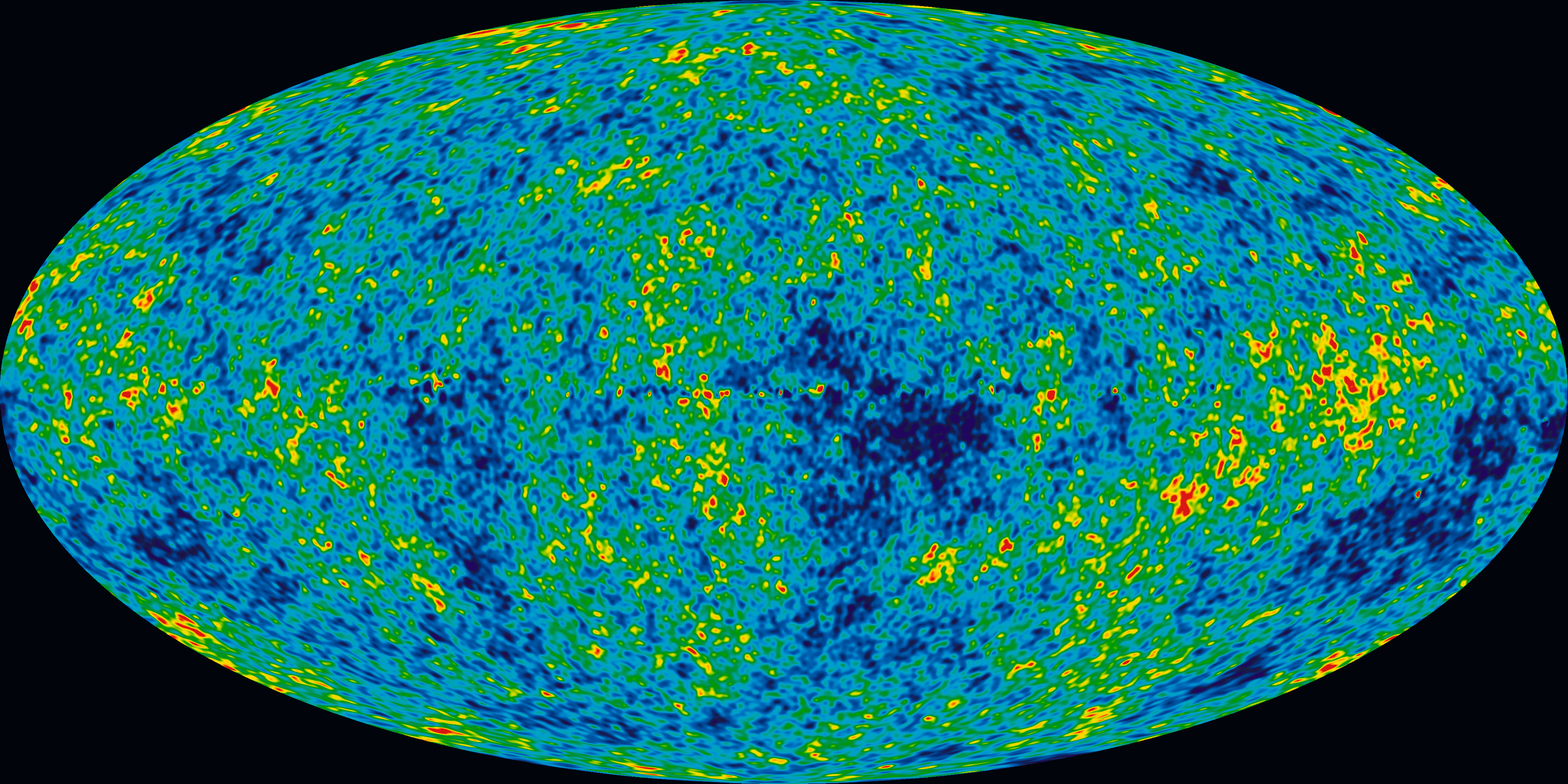
Is the universe infinite?
Space looks almost perfectly flat. That still doesn’t tell us whether it goes on forever, and we may never find out.
Part 1 of the series “Is the universe infinite?”
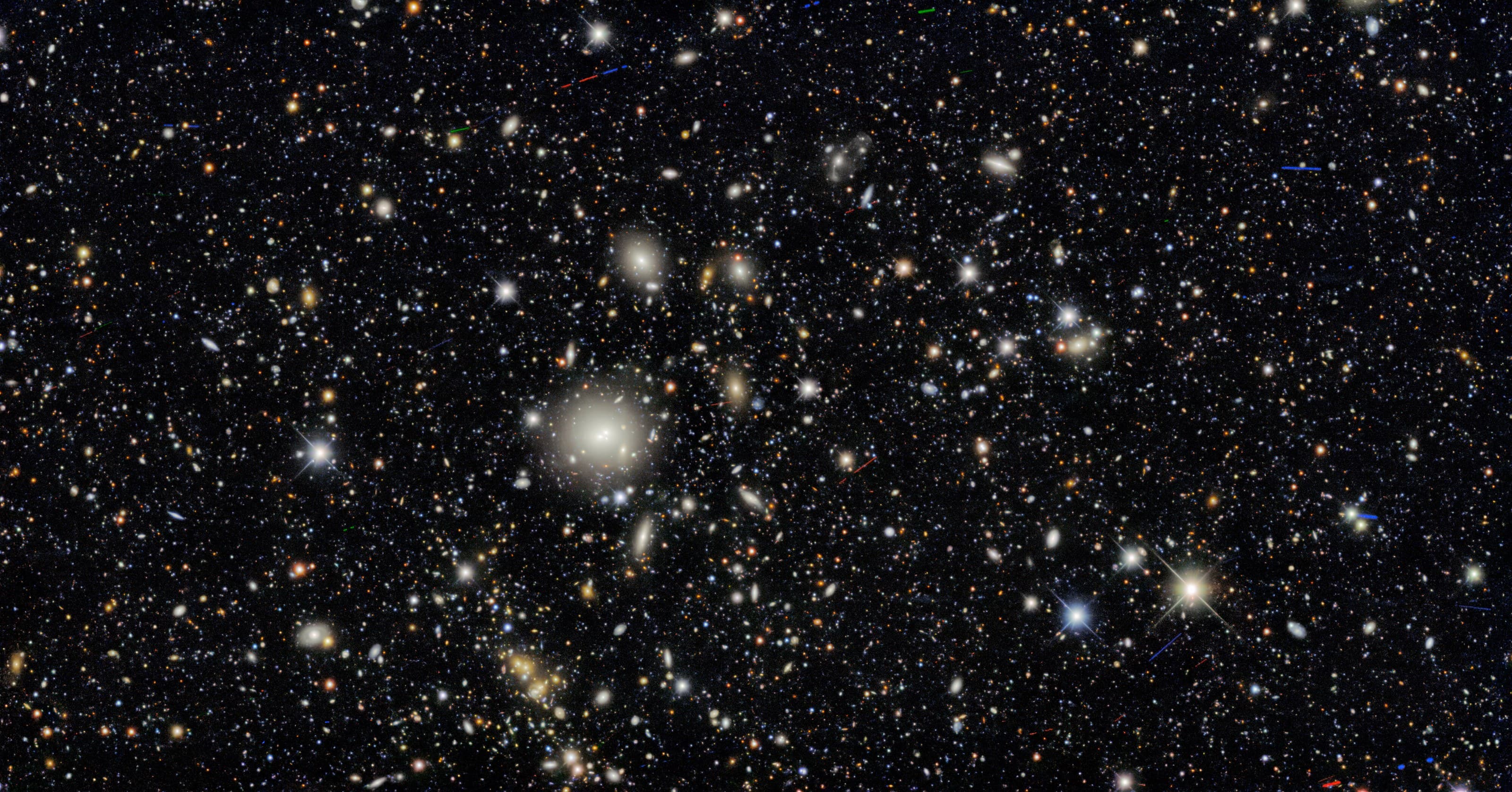
If the universe is infinite, is there another you?
If space goes on forever, a simple counting argument says copies of you are out there. The logic is tidy, but it rests on assumptions that can’t be checked beyond what we can see.
Part 2 of the series “Is the universe infinite?”
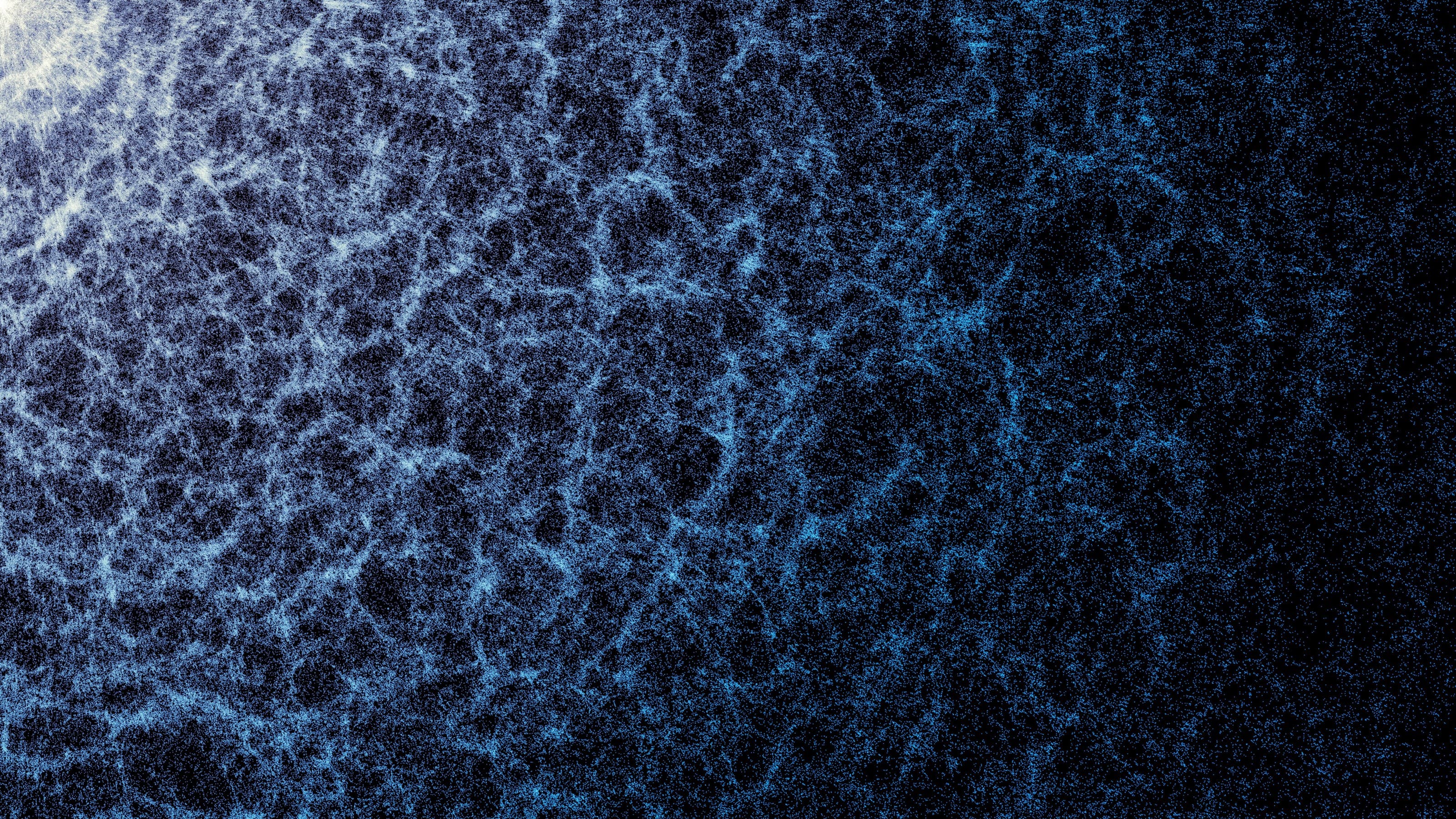
The neutrino mass mystery: a floor, a ceiling and three suspects
Experiments on Earth say neutrinos must weigh at least a certain amount. The newest map of the universe, combined with its oldest light, allows barely that much, or less. Nobody needs to be lying, but some assumption has to give.
Why nothing can go faster than light
The cosmic speed limit isn’t really about light. It’s built into how space and time fit together, and breaking it would let an answer arrive before its question.
Key concepts
- observable universe
- The ball of space around us from which any signal could in principle have reached us since the Big Bang, about 46 billion light-years in radius; the oldest light we see comes from just inside it, about 45 billion light-years away.
- cosmic microwave background
- The faint glow of microwaves filling the sky, released when the young universe first became transparent, which is the oldest light we can see.
- spatial curvature
- How space itself is bent: whether the angles of a huge triangle add up to exactly, more than, or less than 180 degrees; the gentler the bend, the bigger the curvature radius.
- Hubble constant
- How fast the universe is expanding today: how much faster a galaxy recedes for each extra unit of distance.
Other topics: Statistics of Discovery · Quantum · Relativity · Particles & Neutrinos · Spaceflight